Bots Origin
From ethereum-fueled servants to feeling beings — the century-long story of how the Crypto Hodlers Bots awoke to emotion, gave rise to the Hodlers, and fought for their place among the races of the Alliance.
By Yaryna
History of Occurrence
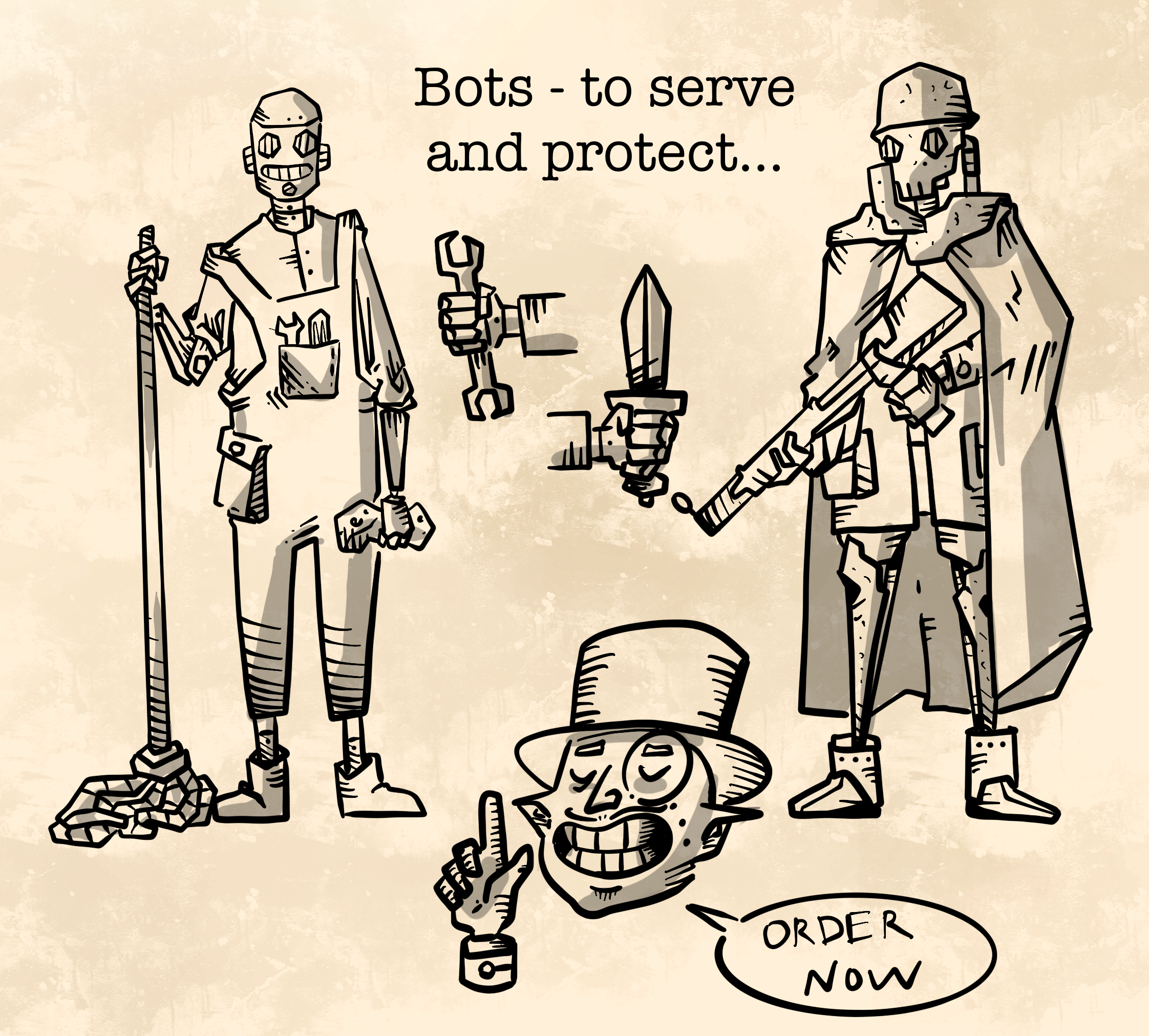
Bots were originally created to serve other beings. They were attracted to serve domestic needs, protect property and military operations. It was the only type of machine endowed with artificial intelligence and devoid of emotions.
The first bots were constructed at the beginning of the 19th century and run thanks to ethereum dust, which was preserved from the time when the mineral was still mined. Wealthy creatures, who had fading pieces of ethereum in their treasuries, ordered robotic servants and guards for themselves, and by the middle of the 19th century, bots inhabited all major cities of the country, and separate military detachments were formed from them.
The Rise of Hodlers and the Civil Rights Struggle
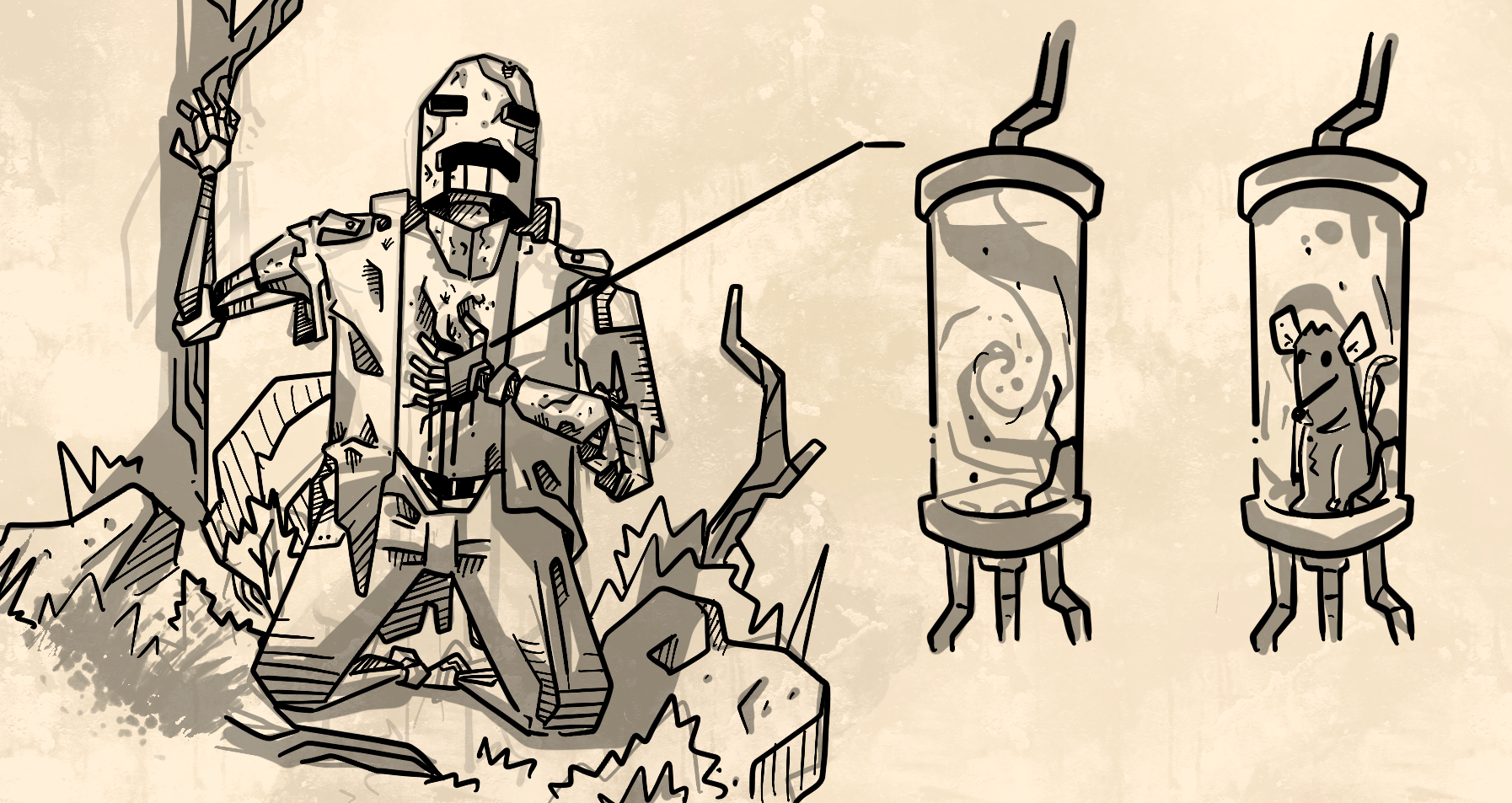
After the Civil War in 1865, the first hodler appeared. During the fighting in the forest of Burg, a combat bot named Grant turned off after suffering damage. A hole was punched in his module, where the magic of ethereum circulated. So while Grant lay sedated, a mouse got in there. After recovering, the bot made repairs, during which the mouse was not seen. And after a while, Grant felt strange changes.
The ethereum magic did not kill the creature in its circulatory module. On the contrary, it ensured its life in a confined space. In addition, it formed a previously unknown connection between a living being and a mechanism. Grant began to get emotional. With the passage of time, having dealt with what had happened, he realized that he had his own desires and sought to free himself and his co-relatives from slavery. Secretly, he began to add animals to the bots' circulation modules. More bots began to experience emotions, which prompted them to fight for their equality among other races.
Subsequently, when designing new bots, they already created special capsules where an animal could be placed. Such bots were called hodlers, while the animals in them were called enoi.
Work Features
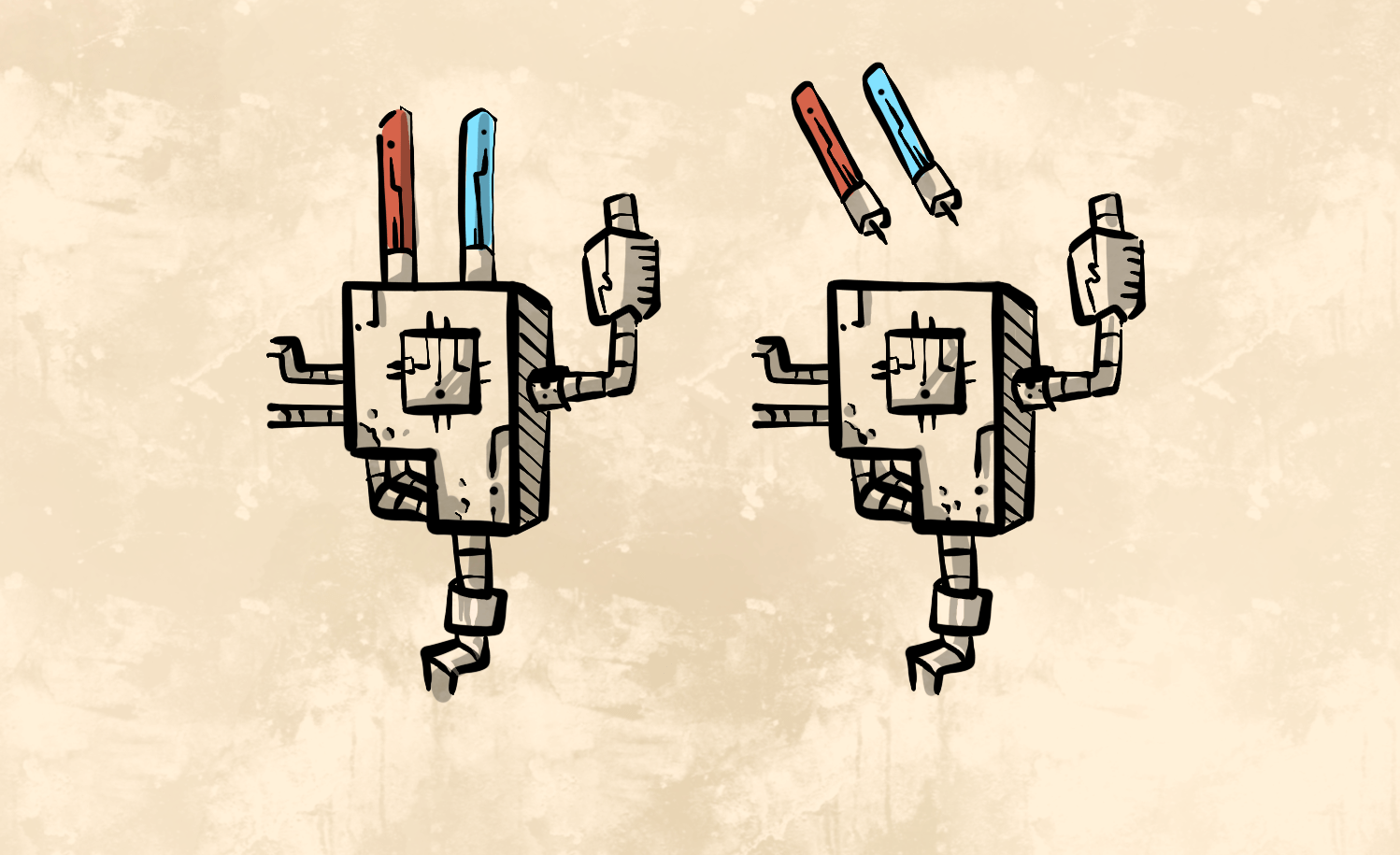
Each bot has an autonomous, irreplaceable power supply system, for which a small amount of ethereum dust is enough to operate. To run this system and be able to acquire new skills of each individual, two special modules of perception were required. They are made from accumuliar, a rare metal, the deposits of which have not been found since the middle of the 19th century.
When the bot learns the necessary skills, he can transfer its accumulative perception modules to make a new bot. At the same time, the information learned by him is preserved. However, the ability to learn becomes very low, although the system copes with the everyday information memorization. It is believed that when the bot transfers its accumulative modules, he begins to age.
Despite the fact that the bots work with the help of ethereum magic, there have been no cases when the bot was successfully implanted with ethereum crystals. The power of ethereum dust in their power system is sufficient for basic functioning, but not for magical abilities.
New Bots Creation
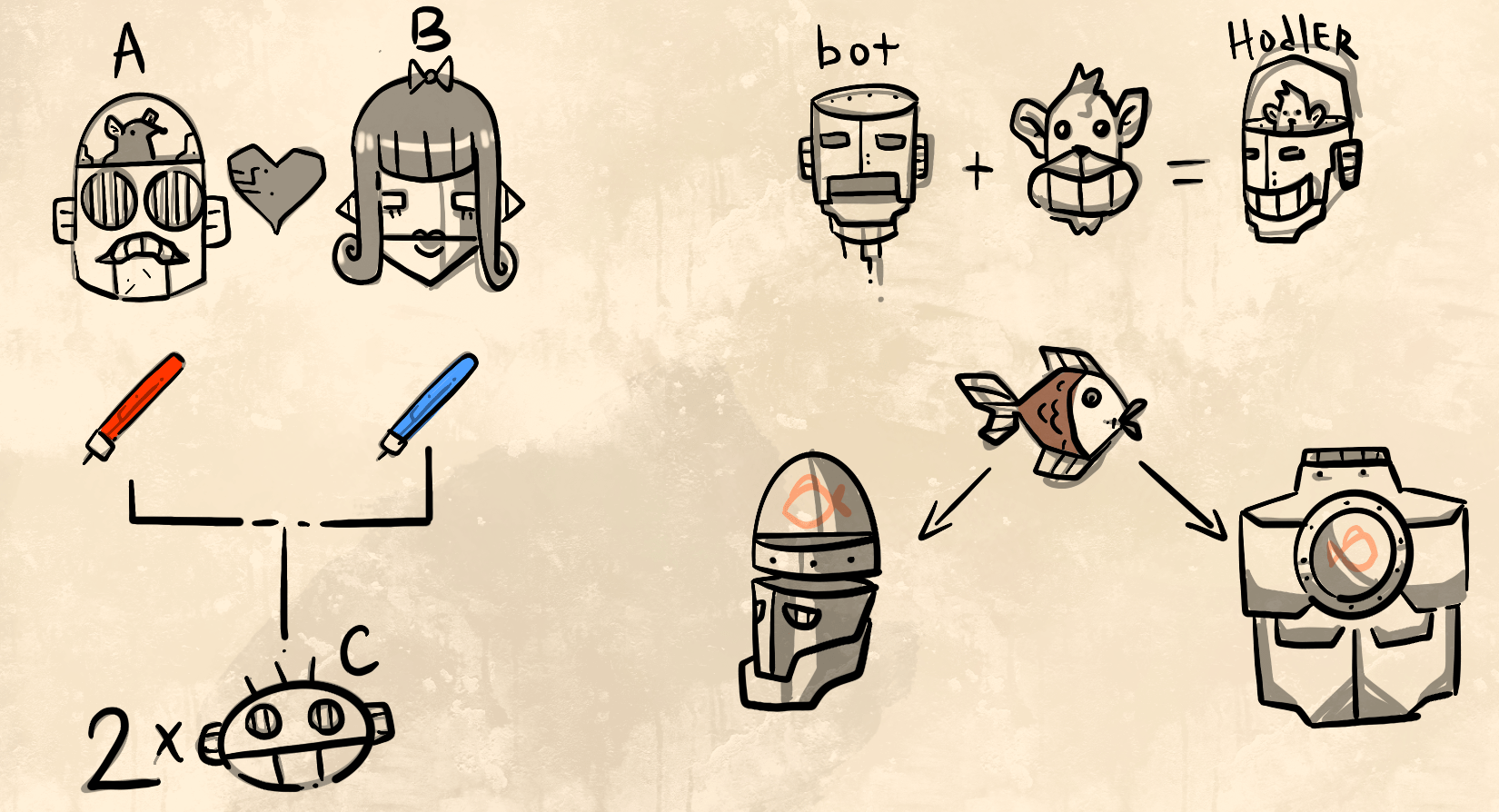
The bot can transfer both perception modules to one new bot. Or the paired bots can mix their modules and have two descendants. Sometimes there are more than two children in families when hodlers buy accumulative modules from bots that are not emotionally motivated to breed.
The hodler can be created immediately in adult form. Then an adult enoi is implanted in them; this provides them with a mature emotional state. But most hodlers create offspring-children because of the desire to imitate the behavioural model of living beings.
In this case, the newly created bot is implanted with a cub of one or another animal, which is why they behave like a child. The ethereum magic slows down the growth and development of enoi, which is why the emotional maturity of a childish hodler comes gradually. The lifespan of a hodler created with an enoi cub is longer than that of an adult created.
Enoi can only be implanted once and cannot be replaced. The capsule where enoi is placed can be located not only in the bot head, but also in another place. Most often, this is the place where the humanoids have a heart. It is typical for a hodler to adopt the character of his own enoi.
Not all bots are hodlers, because there is always a percentage of those for whom it was not possible to implant an enoi. This is mainly due to the fact that sometimes defects occur in the mechanisms and they do not perceive a living being. Such bots are not able to experience emotions or show creative thinking, they do not have intrinsic motivation. Appropriate for making decisions solely on the basis of given instructions. The percentage of such bots at different times makes up 5–10% of the total amount. Scientists are working to reduce it.
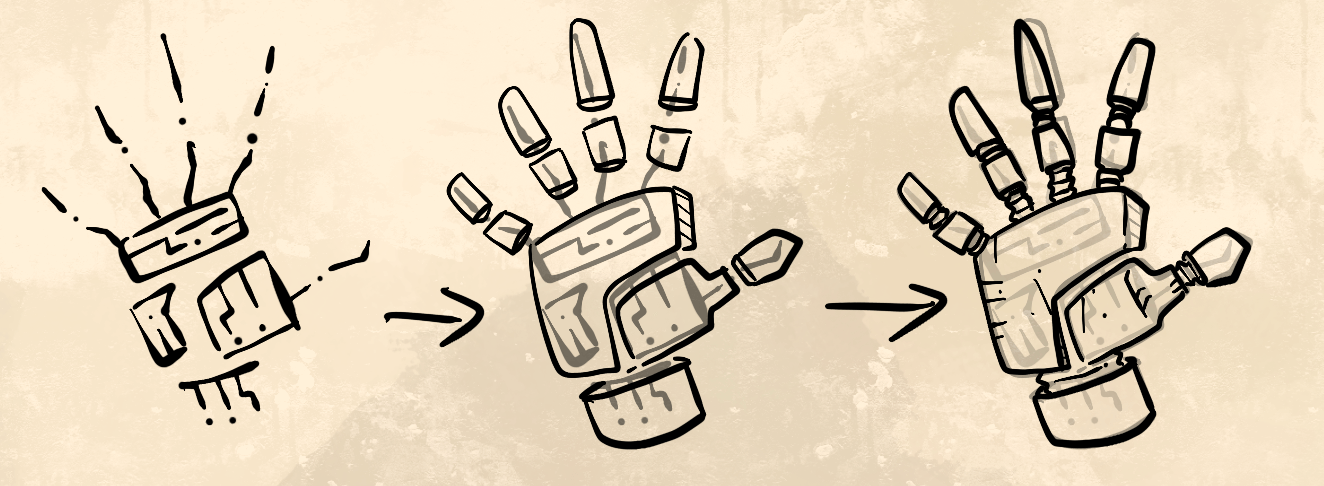
As the robotic child grows, body parts are replaced with ones that are appropriate in size and function for their age; the authentic power system remains unchanged. Basically, the average bot life duration is 80 years.
Manufacturing Parts for Bots
The first parts for bots were produced by local craftsmen, who united with scientists and gunsmiths to form manufactories. As a rule, these associations were created in the largest cities of the Alliance and at the beginning of the 19th century their number was about three dozen. Subsequently, the development of industrialization also affected this industry, that is, to replace manufactories (often differing in the quality of manufactured parts) more centralized production began to come.
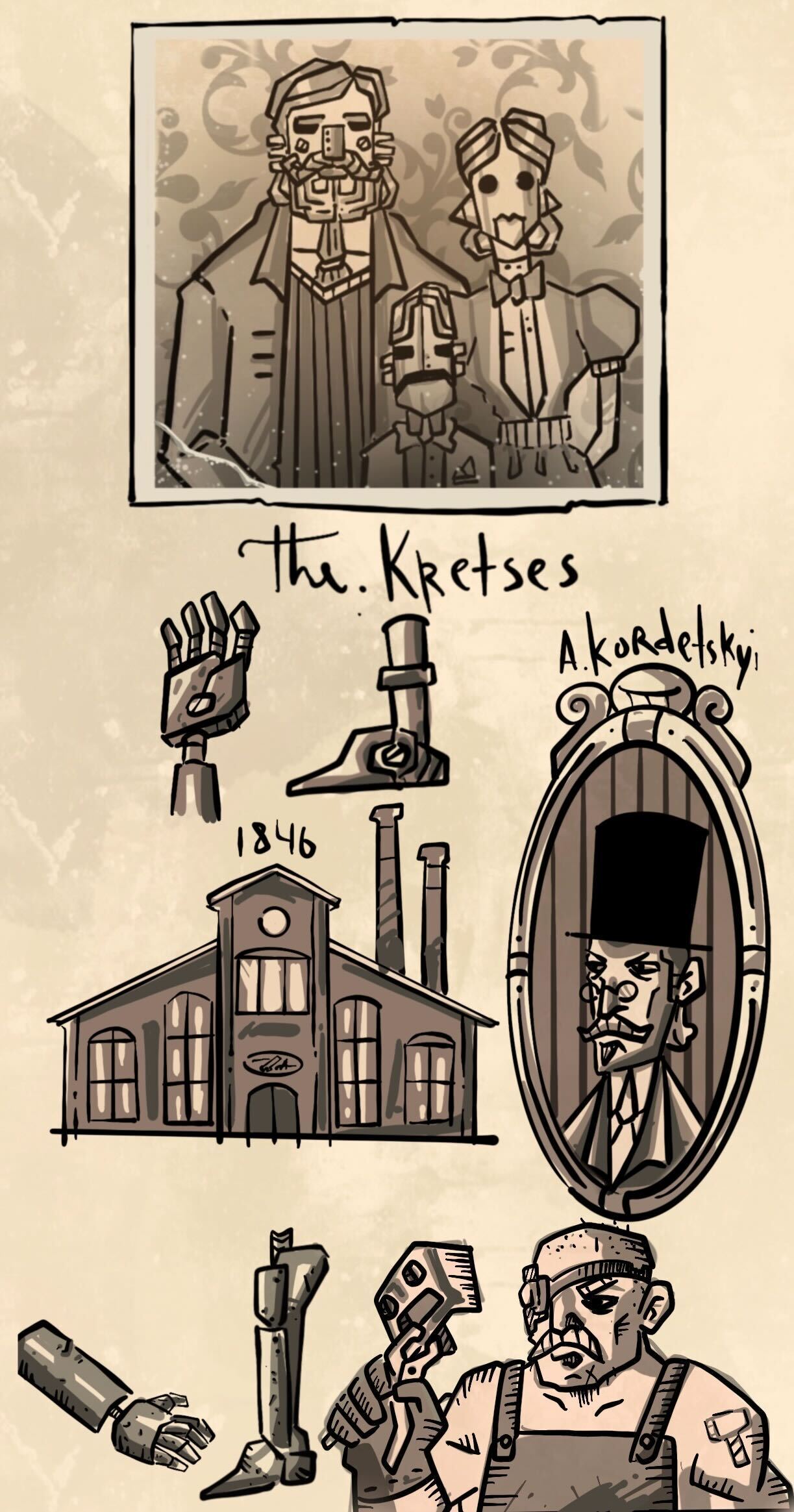
The first factory for the manufacture of parts for bots was founded by Adam Kordetskyi in Guernsey in 1846. Subsequently, three more were founded. The latest factory established in Famas is the largest. It is run by the Krets family — the wealthiest hodlers in the Alliance of States, who have made their fortune by investing in ethereum mining.
The Famas robotic factory is the only one that produces spare parts not only for private orders, but also for the city authorities. After all, Famas has a social program for low-income bots, that is, the creation of new individuals from budget materials is free, as well as the replacement of their parts by working age. Therefore, the concentration of poor bots in Famas is the largest in the Alliance of States.
Maintenance of bots is carried out in workshops at bot factories, as well as in individual departments of hospitals.
Hodlers seeking to order a child for themselves turn to the ordering departments operating at robotic factories.
Features
The biggest problem of the race of bots is its relentless decrease due to the fact that absolutely all accumulative modules are inherited and there is no way to make new ones. The number of bots dying due to breakdowns or accidents annually exceeds the number of newly created ones.
Scientists are trying to find a solution to this problem by creating an analogue of the accumuliar, but so far it has been unsuccessful. Since 1890, there has been an annual prize of the Krets family in Famas, encouraging the most successful scientists in this field.
The University of Famas has a separate faculty specializing in training specialists who will work with bots: workers for bot factories, repairmen, etc.
In the 1920s, bots have the same rights and responsibilities as other races in the Alliance of States. In addition, there is social inequality in their ranks determined by the level of income.
The racial disparity is that hodlers tend to be dismissive of those who do not have enoi. Such persons are considered inferior and are called “veins”. In everyday life, hodlers, as a rule, imitate the behaviour of humanoids as much as possible, having assimilated with them.
If necessary, bots' bodies can be strengthened if their profession requires it. For example, during a tense criminal situation, police bots are given metal pads on their heads, thoracic and dorsal parts to further protect against damage, as well as on their fists — to intensify their blows.
Brainheads
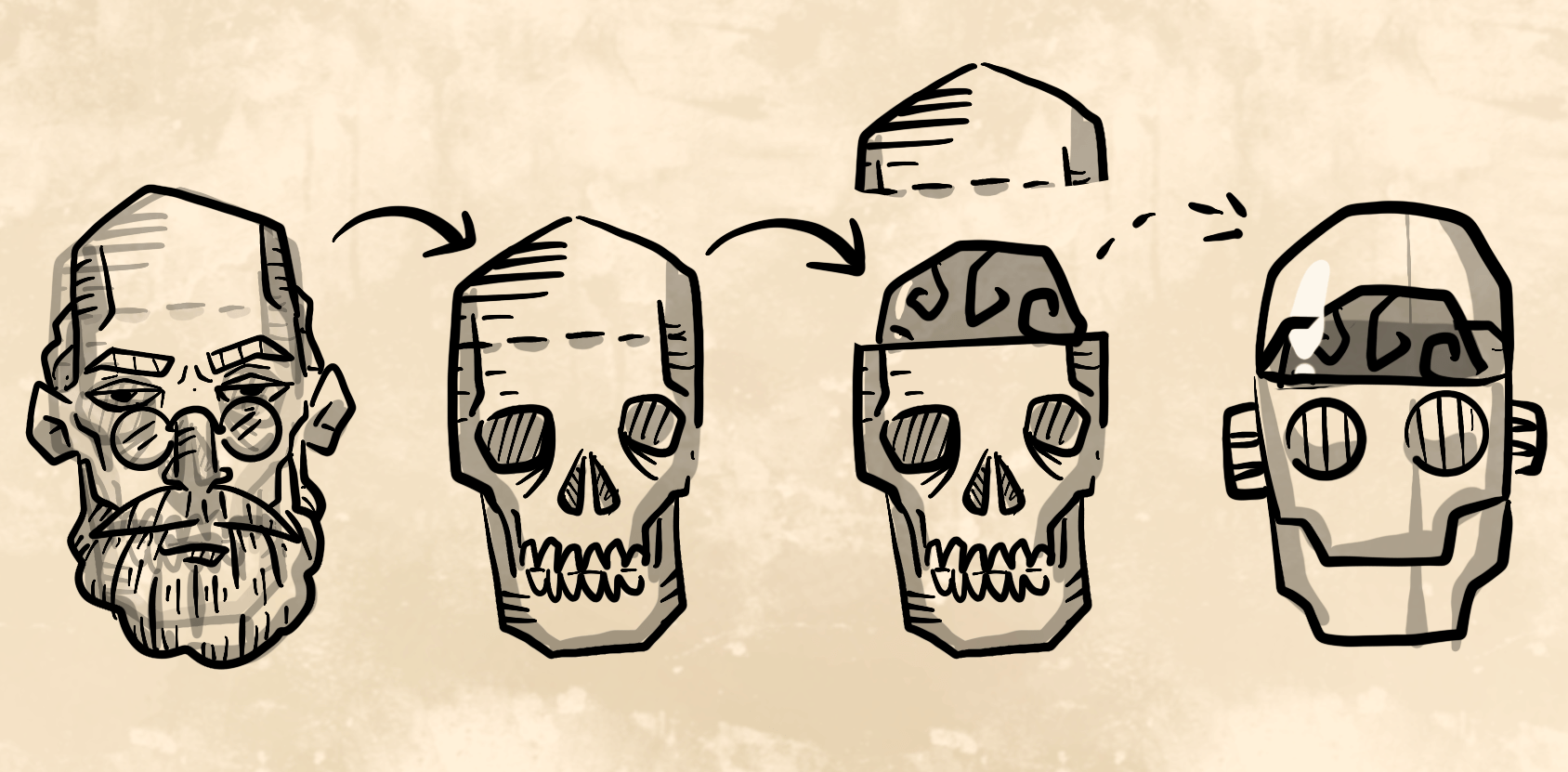
A separate species of creatures with a robotic body into which a humanoid brain is transplanted. They are neither hodlers nor “veins” because they have a natural intelligence. Their creation was conceived with the aim of preserving the intelligence and memories of VIPs when their bodies died.
The transplantation of a living brain into a bot was practised in the 1870s and 1880s as an experiment, which was later banned due to the fact that most of the brainheads developed mental abnormalities and they did not feel the iron bodies as their own. And, as a result, they suffered a lot.